
Lake Lot Clearing in Roane County, TN: TVA Shoreline Rules
Lake lot clearing in Roane County nearly always comes down to one question before any saw starts: who owns the ground between your yard and the water? On Watts Bar Lake and the other TVA reservoirs, that strip is either land TVA owns or private land under a TVA flowage easement, and the rules for cutting trees and brush are very different in each case. This page covers both, what the federal shoreline rules allow, and how a careful job is planned, as checked against TVA's pages and the federal rules in October 2026.
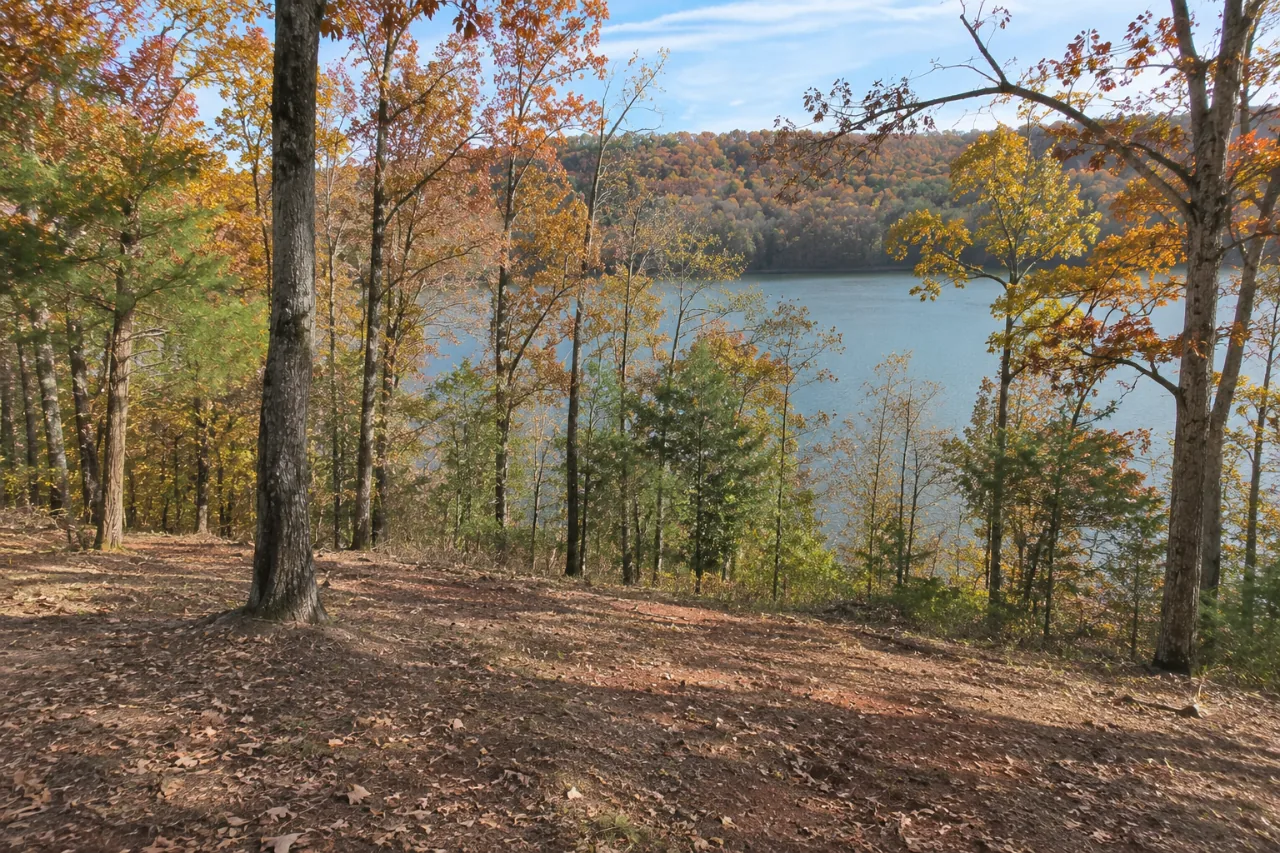
First, find out who owns the shoreline
Three rivers, the Tennessee, the Clinch, and the Emory, run through Roane County, and most of their length here is part of Watts Bar Lake. Along these lakes a lot's paperwork usually falls into one of two patterns:
- TVA owns the strip along the water. Your deeded line stops partway down the slope, and the land below it belongs to TVA. You may have rights to ask for a dock or a path across it, but the trees on it aren't yours to cut.
- Your deed runs to the water, with a TVA flowage easement. You own the shoreland, and TVA holds an easement over it. The vegetation rules are much looser here, though building on it is not.
Your deed, your plat, and a survey are the places to look. If they leave you unsure, call TVA's Public Land Information Center at 1-800-882-5263, the number TVA lists for shoreline permit questions. TVA's shoreline construction FAQ also points to an interactive map on its permit pages for checking whether a property can apply for a dock, and it notes that TVA's regional offices see people by appointment only.
On TVA-owned shoreland, approval comes first
TVA's FAQ is blunt about it: "Written approval from TVA is always needed to trim or remove any vegetation on TVA property." The FAQ also says "A Vegetation Management Plan must be submitted and approved by TVA prior to any vegetation disturbance on TVA land," and that the plan "is not a separate permit"; it rides along with a Section 26a application. That covers a chainsaw and a weekend as much as it covers a mulcher.
Plan the calendar around it. The same FAQ says application "timeframes can extend to 120 days," and that for minor construction TVA tries to issue permits within 100 days. If the clearing on your own land is tied to a dock or path request, apply for the TVA side early and schedule the machine work above the line in the meantime.
What the federal rule says about vegetation on TVA land
The details are in 18 CFR 1304.203, the vegetation management section of TVA's Section 26a rules for TVA-owned residential access shoreland. In plain terms:
- Old lawns are the exception. Mowing a lawn that was already established before November 1, 1999 can continue. Other vegetation management on TVA property needs TVA's written permission in advance.
- A 50-foot shoreline management zone. TVA designates a zone 50 feet deep along the shore (or only as deep as TVA's land, where its strip is narrower). Inside it, no trees are cut and no vegetation removed except what TVA approves within your access corridor.
- One access corridor, 20 feet wide at most. It runs from your property line to your water-use facility, and it's to be located so it costs as few trees as possible. Grass can be planted and mowed in it, a path or steps of stone, brick, concrete, mulch, or wood can go in it, and limbs reaching into it can be pruned.
- Some invasive plants can come out. The rule lets understory plants such as poison ivy, Japanese honeysuckle, and kudzu, plus other exotic plants on TVA's list, be cleared within the zone and elsewhere on TVA land.
- Above the zone, only small stems. On TVA land upslope of the 50 feet, selective thinning of vegetation under three inches in diameter at ground level is allowed.
- Leave the forest floor alone. The rule says it "must be left undisturbed" except as the section allows, and mowing is limited to the access corridor.
- Chemicals. No fertilizer or herbicide goes on TVA land unless the approved plan specifically allows it, and restricted-use products may be applied only by a state-certified applicator.
- Planting is welcome. Native trees, shrubs, wildflowers, grasses, and ground covers may be planted in the zone.
The rule also allows TVA to approve removing trees in the zone to prepare a site for an approved shoreline erosion control project, with native replacement plantings. That decision belongs to TVA as part of the permit, not to whoever is running the saw.
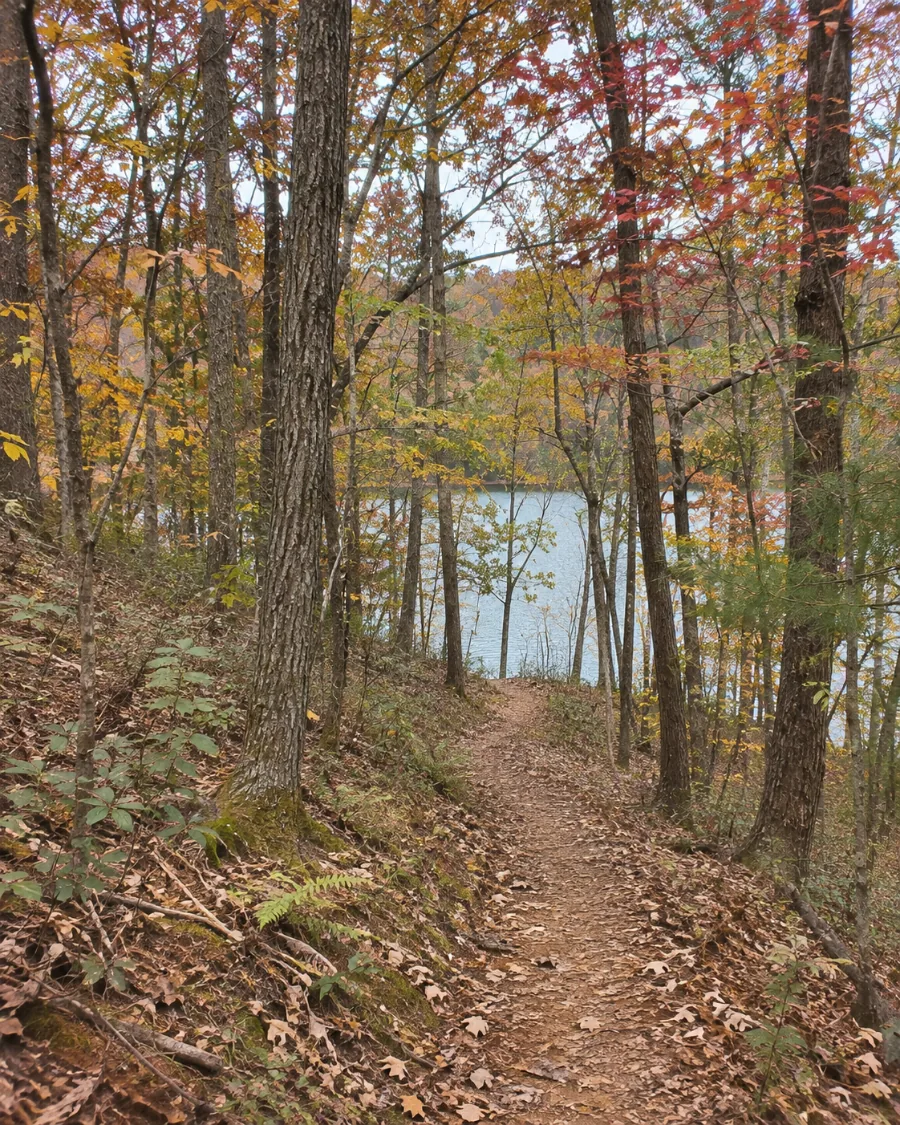
On flowage easement land
Where you own the shoreland and TVA holds a flowage easement, TVA's Section 26a regulations (section 1304.302) say "Removal, modification, or establishment of vegetation on privately owned shoreland subject to a TVA flowage easements generally does not require approval by TVA." The 50-foot zone and corridor limits in section 1304.203 are among the rules the regulations say do not apply on easement land.
Two cautions. First, section 1304.300 says any structure built on flowage easement land is treated as an obstruction under Section 26a, and the regulations list fills along with docks and ramps among the things that need TVA's approval, so don't let stumps, spoil, or graded soil get pushed down onto the easement or into the lake. Second, "generally" is doing some work in that sentence: when TVA reviews a dock or other structure on easement land, it may set conditions to protect sensitive plants. If a structure is part of your plans, ask TVA before the clearing, not after.
Above the line, the usual rules still apply
On your own side, a lake lot is a house lot. TDEC's septic evaluation comes before any digging, cutting, or filling; outside the cities, the building permit comes from Roane County Building Codes and Zoning, 865-717-4230; and construction that disturbs an acre or more needs TDEC's stormwater coverage. The house-site guide and permits guide take these one at a time.
How a careful lake-lot job is laid out
- Flag the boundary before a machine unloads. If TVA owns the strip, the line between your land and TVA's should be marked in the field, and the operator should see it.
- Work from the top down. Mulchers and excavators stay upslope; anything near the line is saw work or hand work.
- Nothing goes over the bank. Brush, chips, stumps, and soil stay on your land or leave on a truck.
- Keep the roots in the slope. On a steep bank, roots are what keep freshly worked ground from sliding toward the water. Mulching above the line leaves them in the ground.
- Think about the view before cutting. On TVA land, opening a view is vegetation management that needs approval. On your own land, take out the smaller stems first and look again before dropping big trees.
- Decide who handles TVA. Put in writing whether you or the contractor prepares the vegetation management plan and Section 26a application, and agree that no work happens on TVA land until the approval is in hand.
Lake lot questions
Can a contractor cut the trees on the TVA strip below my lot?
Not without TVA's written approval. Even with a plan, the federal rule keeps the trees in the 50-foot zone apart from an access corridor no wider than 20 feet.
Can kudzu and poison ivy be cleared off the shoreline?
The federal rule lists them, along with Japanese honeysuckle and other exotic plants on TVA's list, as plants that may be cleared from the zone. TVA's FAQ still says written approval is always needed for vegetation work on its property, so include them in the vegetation management plan, and don't use herbicide unless the plan allows it.
My deed runs to the water. Is a TVA permit needed to clear brush?
On flowage easement land, TVA's rules say vegetation work generally doesn't need its approval. Structures and fill still do, and the usual county and state rules apply to the rest of the lot.
How this site can help
Send a short request or call, and say whether the lot is on the lake and whether you know who owns the shoreline. It goes to one independent contractor who takes clearing work in your area. They'll walk the property, talk through what can be done on which side of the line, and give you a written quote. Whether to hire them is your decision, and the referral is free. This page is general information, not legal advice; TVA decides what is allowed on its land.
Ready to have someone look at the property?
Call, or send a few details online. The referral costs you nothing.